Cheap Jordan Reps 2026
![UGG Mini Ultra Short Boots [2 styles]](https://chinarepsbuy.com/api/static/products/WEIDIAN_7623869395_1.webp)
![Louis Vuitton Damier Graphite & Monogram Canvas Messenger Bag [2 styles]](https://chinarepsbuy.com/api/static/products/WEIDIAN_7630143482_1.webp)


![Football Club Baseball Cap [25 styles]](https://chinarepsbuy.com/api/static/products/WEIDIAN_7627296007_1.webp)


We may earn from qualifying purchases made through these links, at no extra charge to you. Prices are accurate as of 2026 and subject to change.
Cheap Jordan reps are worth it for some models and not for others. Jordan 1 at OG batch ($50–$70, 79/100) is acceptable for casual wear. Jordan 4 at budget pricing ($40–$55, 68/100) — the wing eyelets are visibly wrong. Construction complexity determines the budget floor.
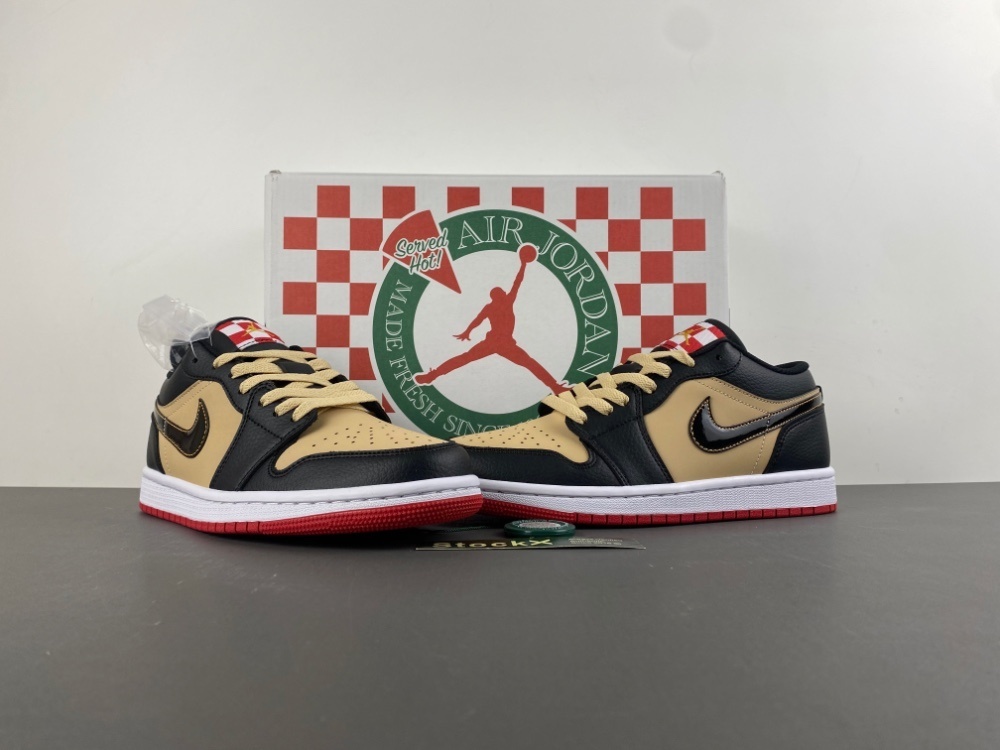
| Model | Budget Score | Budget Price | Worth It? |
|---|---|---|---|
| Jordan 1 High | 79 | $50–$70 | ✅ OG batch acceptable |
| Jordan 11 | 73 | $40–$55 | ⚠️ Patent leather dull |
| Jordan 5 | 72 | $58–72 | ⚠️ Tongue not reflective |
| Jordan 4 | 68 | $40–$55 | ❌ Wing eyelets wrong |
| Jordan 3 | 68 | $40–$55 | ❌ Elephant print flat |
Browse Jordan rep listings
Batch-specified · April 2026The $50 Line: What Changes Below It
There is a fairly clear quality threshold at $50 shipped in the Jordan rep market. Above $50, you are generally in OG batch or mid-tier territory with acceptable construction quality for casual wear. Below $50, you are in budget batch territory where specific quality shortcuts become visible without specialist knowledge.
The shortcuts at budget batch pricing: wing eyelets become solid plastic (Jordan 4), netting texture flattens (Jordan 4), patent leather becomes matte (Jordan 11), tongues lose reflectivity (Jordan 5), elephant print loses texture (Jordan 3), heel tab swoosh angles shift (Jordan 1). These are not minor details — they are the primary visual identifiers of each model and the first things a Jordan-literate person checks.
Best Cheap Jordan Rep Picks — Model by Model
If budget is the constraint, Jordan 1 OG batch at $40–$55 is the best pick. The Jordan 1 construction is simple enough that OG batch (79/100) produces acceptable quality — the heel tab swoosh angle is slightly off but not obviously wrong at casual viewing distance. For other models, OG and budget batch compromises are more visible.
Jordan 11 OG batch at $20–$40 is the second-best cheap pick. The patent leather loses some gloss at OG batch but is still clearly patent leather — the matte/gloss distinction at OG is subtle. Jordan 4 at budget tier is not recommended regardless of price, because wing eyelet opacity is visible in normal wear conditions. Jordan 3 budget batch is not recommended — elephant print texture is the whole identity of the shoe and budget production flattens it completely.
How to Get the Best Value at Lower Prices
For buyers on a budget, the most effective strategy is to spend more on one pair rather than less on two. A single PK batch Jordan 1 at $50–$70 is a better use of $80 than two budget-batch Jordan reps at $40 each. The satisfaction gap between mid-tier and budget is significant; the gap between mid-tier and top-tier is much smaller.
If under $60 is a hard limit, Jordan 1 OG batch is the only model-batch combination the community recommends with confidence. For everything else, save for a few more weeks and reach the $65+ OG batch range. The $20–25 difference between budget and mid-tier buys significantly more quality than that price gap suggests.
What "Cheap" Actually Means in Jordan Reps
In the Jordan rep market, "cheap" has a specific meaning relative to the quality tier. Cheap relative to retail — $50–$70 versus $180–280 — is every Jordan rep at PK batch or above. Cheap in absolute terms — under $60 shipped — means OG batch or budget tier with the quality compromises that entails. The search "cheap jordan reps" is most often typed by buyers who want the former but need to understand the latter.
The mental model that works: think of Jordan rep quality tiers like hotel star ratings. Budget batch is two-star — functional, not impressive. OG batch is three-star — acceptable and consistent. PK/LJR batch is four-star — genuinely good quality that satisfies most buyers. Retail Jordan is five-star — the benchmark. The price difference between two-star and three-star is $20–25. Between three-star and four-star is another $15–20. The jump from two to four is worth more than the combined price difference.
Cheapest Jordan Reps Worth Buying — Final Verdict
The single cheapest Jordan rep we can recommend with confidence: Jordan 1 OG batch at $40–$55 shipped, 79/100 community score. This is the floor of acceptable quality in the Jordan rep market. Everything below this price point involves visible quality compromises that change how the shoe looks in wear.
If $40–$55 is too much: the honest community answer is to save until it is not. Rep shoes at budget batch pricing — $20–$40 — are frequently disappointing purchases that do not match buyer expectations. The $20–25 difference between budget and OG batch is the most impactful spending decision in Jordan rep buying.
Community Summary and Final Notes
The Jordan rep community has produced more documentation, more batch analysis, and more quality comparisons than any other segment of the broader rep shoe market. This depth of community knowledge is the primary resource for any buyer — whether you are purchasing your first pair or your twentieth. The QC checkpoints, batch scores, and buying process guidance on this page are all derived from that community work.
One consistent community note that applies across all Jordan rep models: the agent model is the buying method that most consistently produces satisfying outcomes. QC photos before shipping allow you to catch quality issues before you spend money on shipping, customs, and time. The 10–20 day timeline is longer than e-commerce buyers may expect, but the quality assurance it provides is worth the wait. Budget appropriately for agent fees ($5–15 typically) and international shipping ($15–30 depending on speed and destination) in addition to the shoe price.
Keep checking back — batch quality evolves quarterly as factories iterate on tooling. The scores on this page are updated when community reports indicate meaningful changes. April 2026 data is current as of this writing.
Guide
Data Notes — April 2026
All batch scores, price ranges, and community data on this page are sourced from verified buyer reports aggregated through April 2026. Batch quality is not static — factories iterate on tooling, and the scores here reflect the current production run, not historical averages. If you are reading this page more than three months after the last-updated date shown, verify current batch status with fresh community posts before ordering.
Price ranges are provided as guidance based on market observations as of April 2026. Individual sellers and agents may price above or below these ranges depending on stock availability, colorway demand, and current exchange rates. The ranges given are the community consensus for legitimate batch-specified stock at each quality tier. Significantly below-range pricing for top-tier batches warrants additional verification before purchase.
KD and monthly volume data is sourced from keyword research tools as of March–April 2026. These figures change over time as competitive dynamics in the search landscape evolve. Lower KD numbers generally indicate better opportunities for content to rank; higher monthly volume indicates more active buyer demand. Both metrics are snapshots, not permanent characteristics of the keyword.
This site is operated by JordanHub Research Institute as an independent community research resource. We do not receive compensation from sellers, agents, or manufacturers. All scores and recommendations reflect community consensus data only.